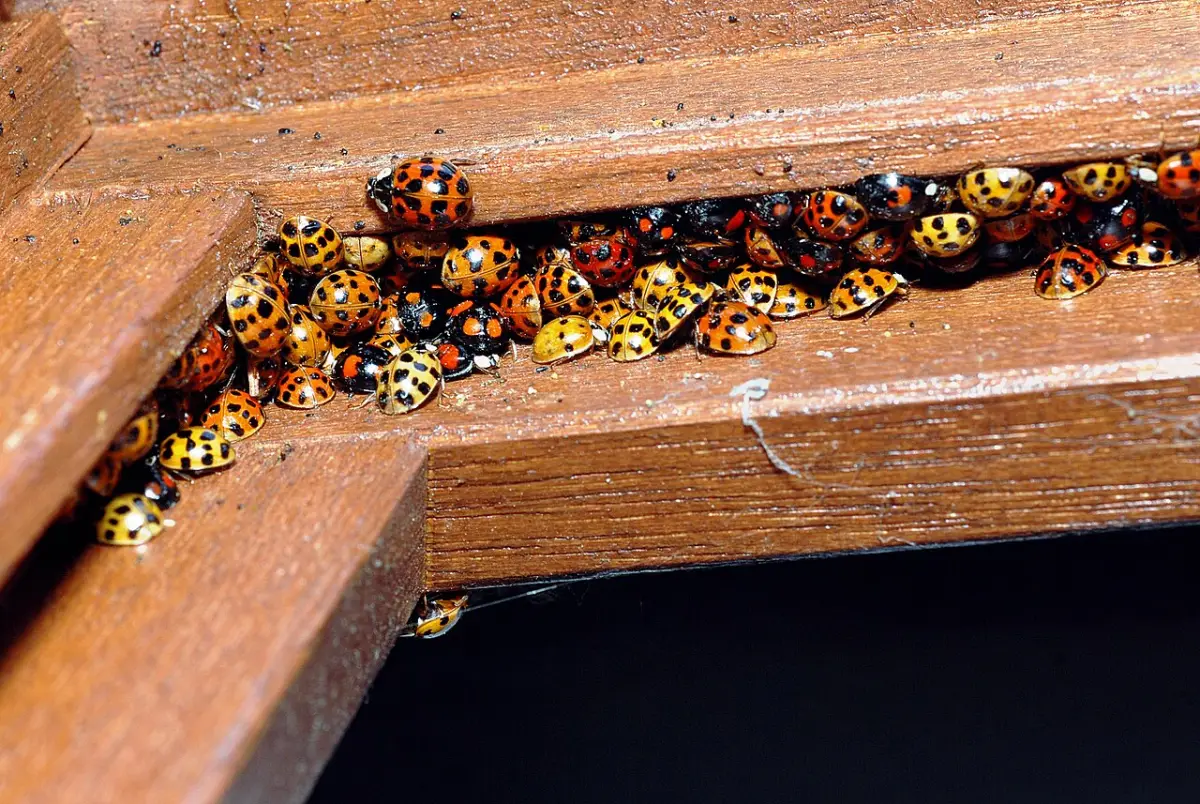
Every year it goes about the same way. The first frost hits, which around Indianapolis is usually sometime in mid to late October. A few days later the afternoon climbs back into the 60s, and the south side of the house is suddenly covered in lady beetles.
Fall changes what pests are after. All summer they're outside eating and breeding. Once nights get cold, a lot of them want two things: somewhere protected to spend the winter, and enough food to get there. Your house can supply both.
Below is what tends to show up in Hamilton County and Zionsville this time of year, roughly in the order the calls come in. For each one we've noted what you can handle yourself and when it makes sense to have someone look.
Lady beetles, stink bugs and boxelder bugs
These three get lumped together because they behave the same way. On warm afternoons after a cold night, they gather on the sunny south and west walls of a house. Light-colored siding seems to draw them in even more. Then they work into any gap they can find around window frames, siding laps, soffits and the spots where cables and pipes go through the wall.
- Asian lady beetles look like ladybugs but range from yellow-orange to red, and they have a small black "M" behind the head. They were brought into the U.S. to eat aphids on crops. Indoors they can pinch, and when they're stressed they release a yellow fluid that smells and stains.
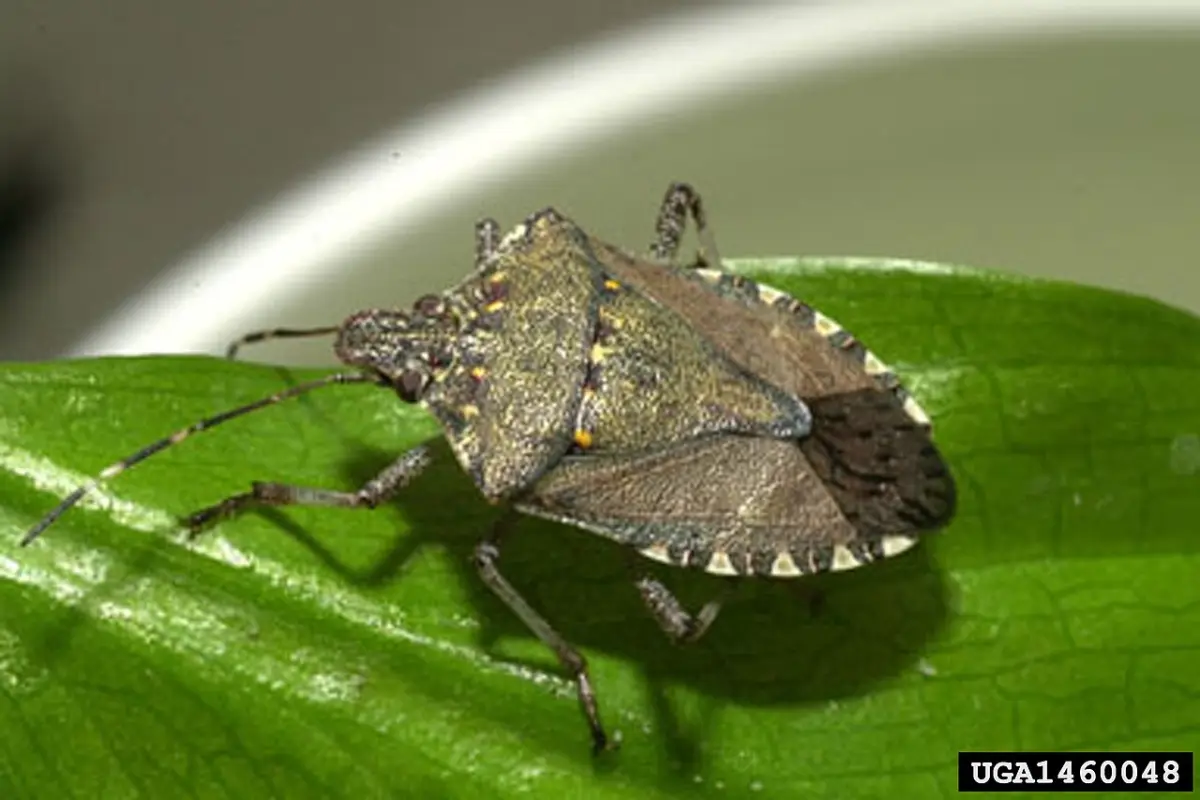
- Brown marmorated stink bugs are shield-shaped and mottled brown. They're a fairly recent arrival in Indiana. Crush one and you'll know where the name comes from.
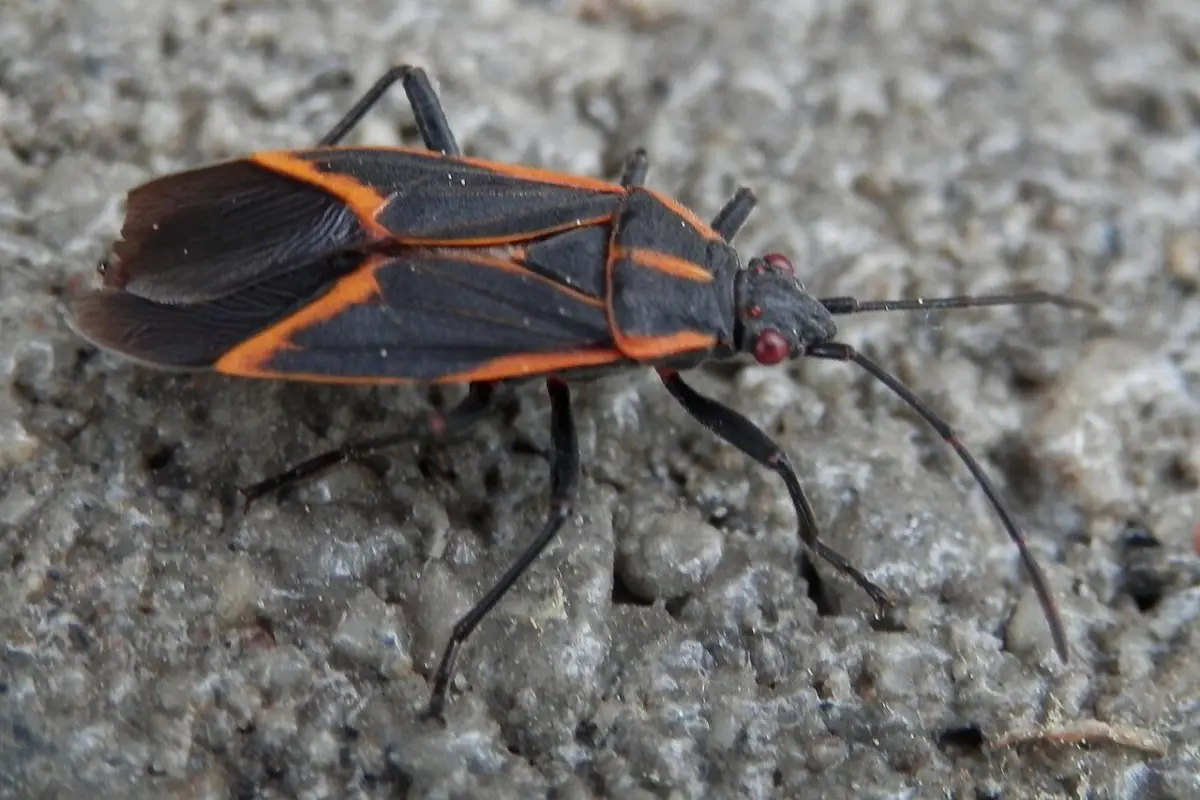
- Boxelder bugs are black with red-orange lines. They feed on boxelder trees and some maples. If there's a big boxelder on your lot or along a creek behind you, which is common near the White River and Cool Creek, expect more of them.
None of these breed inside your walls or chew up the house. They're a nuisance, and on a warm January day the ones that got into the walls will come out toward the windows.
What actually helps: sealing gaps does more than spraying. Caulk around window and door trim, replace torn screens, put screen behind attic and soffit vents, and seal around outdoor faucets, dryer vents and cable lines. September is the best time to do this, but late October still cuts down on what gets in. For the ones already inside, use a vacuum instead of squishing them. A knee-high stocking stuffed into the hose and held with a rubber band lets you empty them outside without the smell filling the vacuum.
Mice
Mice are the biggest fall problem by a wide margin. Two things happen in October around here. Temperatures drop, and the corn and soybean fields still left on the edges of Westfield, Noblesville and northern Fishers get harvested. When the fields are cleared, the field mice living in them head for the nearest shelter, and that's often a newer subdivision next door.
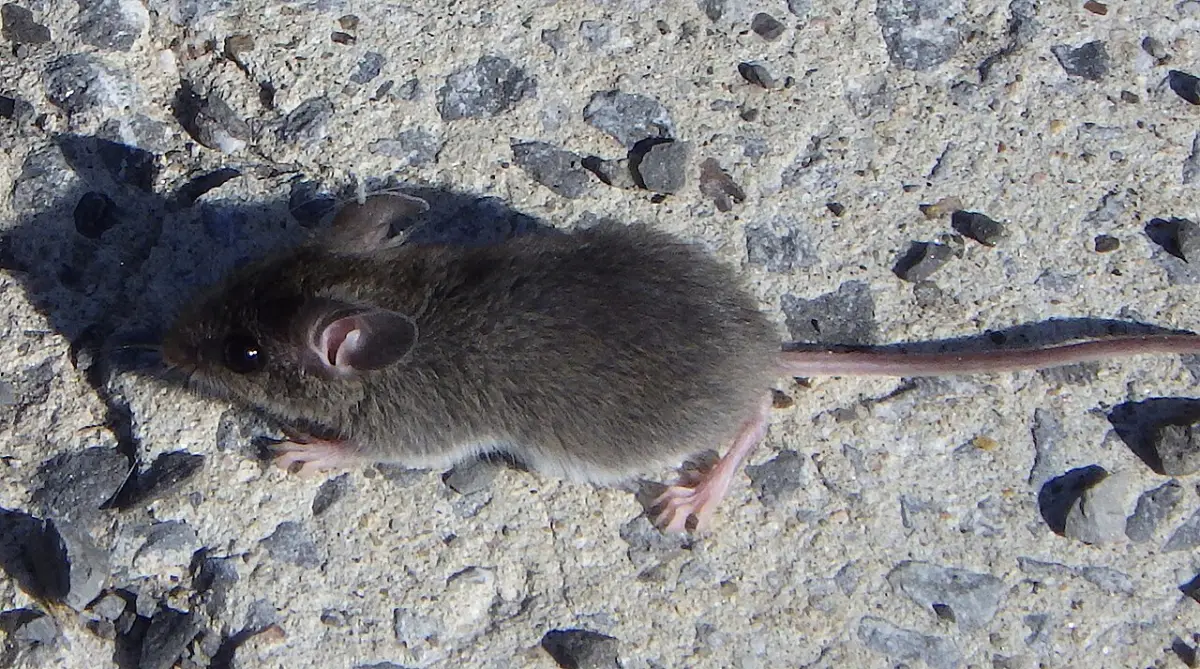
A mouse can get through a hole about 1/4 inch wide. In most homes the easy way in is the attached garage. Look for a worn seal at the bottom of the garage door, gaps where the door meets the frame, and the spot where the water line or AC lines go through the wall.
Things to check this week:
- Shut the garage door and look for daylight along the bottom and sides. Replace the bottom seal if it's cracked or flattened.
- Move birdseed, grass seed and dog food out of paper bags and into metal or heavy plastic bins with lids. A bag of birdseed in the garage pulls in mice.
- Pack copper mesh or steel wool into gaps around pipes, then seal over it. Spray foam alone gets chewed through.
- Keep firewood stacks and leaf piles off the foundation.
Signs they're already in: droppings in the back of kitchen drawers or along the garage wall, chewed packaging, or scratching inside the ceiling right after you go to bed.
Yellow jackets
Yellow jacket colonies are at their largest in late summer and early fall, right when their natural food starts running out. That's why they're all over the trash cans at Friday night football, the cider at the orchard and any open can of pop on the back deck.
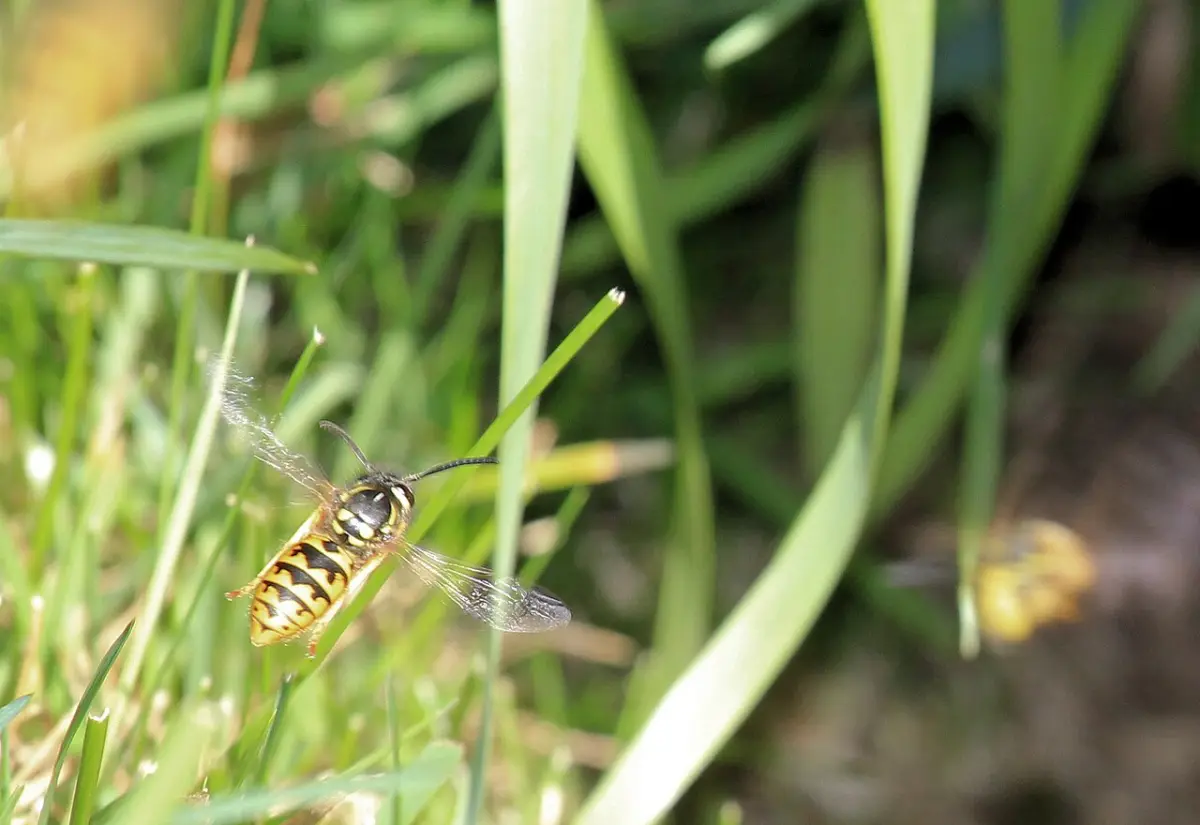
The real fall risk is ground nests. Fall cleanup means mowing low, aerating, overseeding and blowing leaves, and that's usually when someone runs over a nest they didn't know was there. If you notice steady traffic in and out of one spot in the lawn or a landscape bed, mark it and keep people and dogs away.
Something most people don't know: a yellow jacket colony doesn't survive the winter. A few hard freezes kill off the workers, only the new queens leave to overwinter somewhere else, and the old nest isn't reused. So if the nest is in a corner of the yard nobody goes near, you can often just wait it out. If it's next to the back steps, in the lawn you're about to aerate, or inside a wall void where they could chew into the house, deal with it now.
Ticks (yes, still)
A lot of people figure tick season ends with summer. For blacklegged ticks, also called deer ticks, the adults are actually most active in fall. They stay active any day the temperature is above freezing, through November and into a mild winter. Blacklegged ticks carry Lyme disease, and they've been spreading across Indiana.
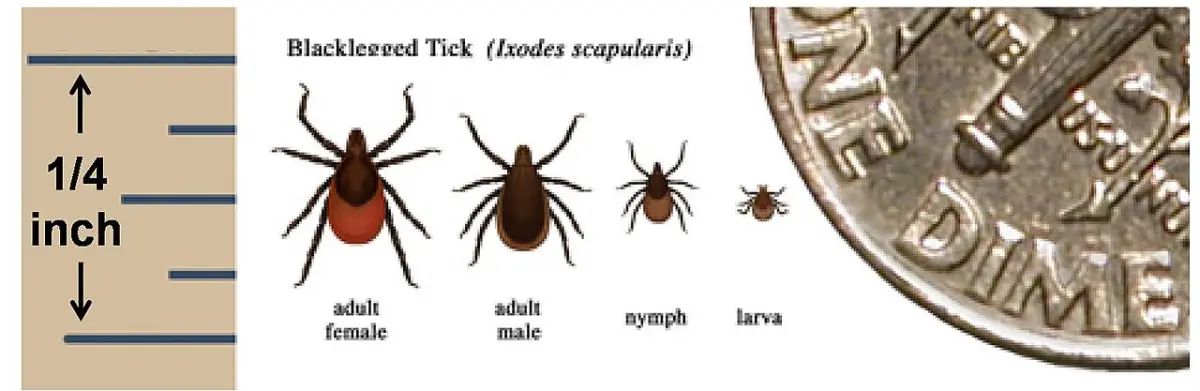
Fall leaves make perfect tick habitat. A leaf pile that sits for weeks along the fence line is exactly where they wait. Bag or mulch leaves rather than leaving piles near swing sets or where the dog spends time outside. After walks at Cool Creek Park, Ritchey Woods or Starkey Nature Park in Zionsville, check the dog's ears, armpits and between the toes, and check yourself at the waistband and behind the knees.
Spiders in the basement
If you've seen a big wolf spider run across the basement floor lately, you're not imagining things. In fall, male spiders wander far more than usual because they're looking for mates. They're not moving in for warmth, they're just passing through, and that's why you suddenly see them in places they weren't in July.
Most of what you'll see is harmless. A couple of sticky traps along the basement walls and behind the furnace will tell you what you actually have and how many. If one turns out to be a brown recluse or a black widow, those are worth taking seriously. Both live in Indiana, and both prefer quiet storage areas, closets and boxes that don't get moved.
Moles and voles
Fall is when a lot of people plant bulbs, and voles have figured that out. They'll eat tulip and crocus bulbs right out of the bed. They leave daffodils alone, because daffodil bulbs are toxic to them. If you've lost tulips two springs in a row, that's likely why.
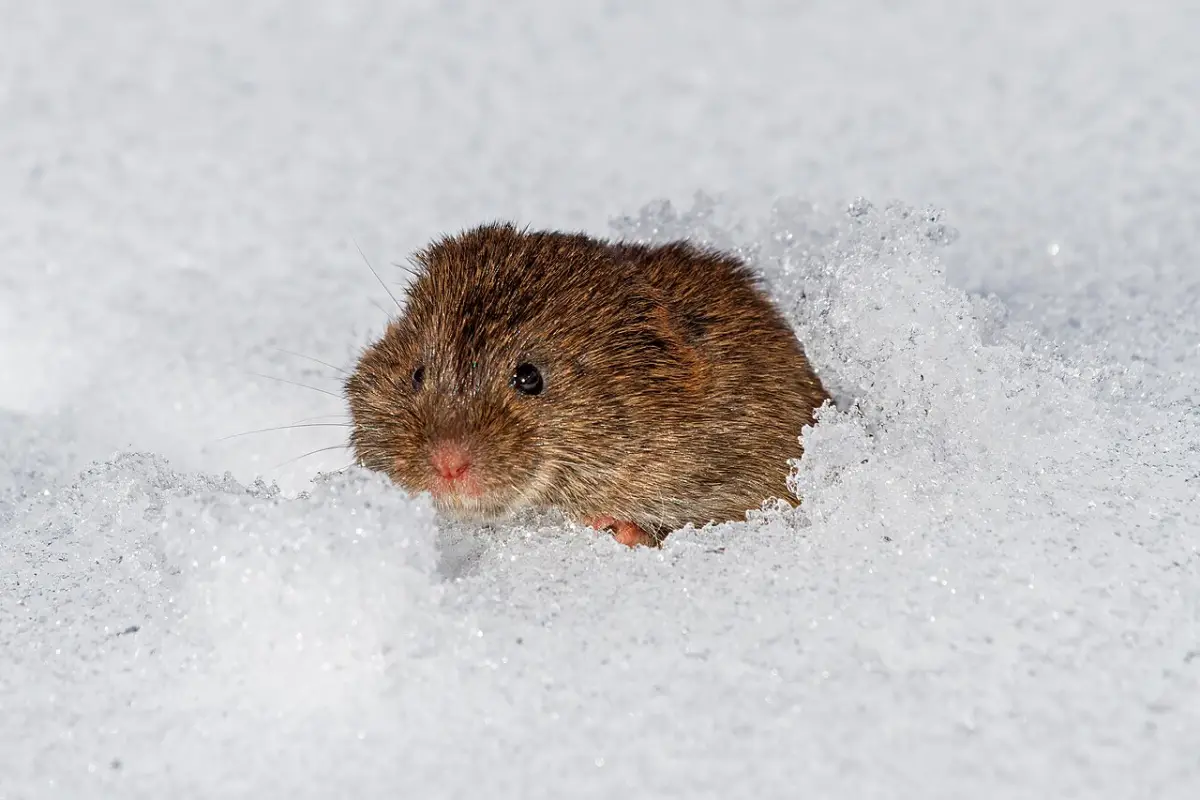
Voles also travel in shallow runways under matted leaves and, later, under snow. Come March you'll see the winding brown trails across the lawn. Heavy mulch piled against tree trunks gives them cover to chew the bark, so pull mulch back a few inches from trunks this fall. Moles are a separate problem. They follow grubs and earthworms, and moist fall soil keeps them working close to the surface, which is why fresh ridges show up after a rainy week in October.
Firewood and termites
Termites don't swarm in the fall. In central Indiana that happens in spring, usually March through May, often after a warm rain. Fall is when people set up next spring's termite problem without realizing it, by stacking a cord of firewood against the house.
Wood touching the ground and the foundation is a direct path for subterranean termites and carpenter ants. Keep the stack at least 20 feet from the house and up on a rack. Only bring in what you'll burn that day. Buy firewood locally rather than hauling it from another county, which helps keep emerald ash borer and other wood pests from spreading.
A quick fall checklist
- Check the garage door bottom seal for daylight
- Caulk gaps around windows, doors, vents and utility lines on the south and west sides
- Move seed and pet food into sealed bins
- Stack firewood 20 feet from the house, off the ground
- Bag or mulch leaves instead of leaving piles along the fence
- Pull mulch back a few inches from tree trunks
- Plant daffodils if voles have been eating your tulips
- Note any ground nests before mowing or aerating
- Dump anything still holding water (birdbaths, toys, tarps) before it freezes
Not sure what you're looking at?
G&G is a family business that's been in Carmel since 1979, and when you call, you talk to Eric. He'll tell you whether it's something you can handle yourself. Estimates are free and there are no contracts.
Serving Carmel, Fishers, Noblesville, Westfield and Zionsville and the surrounding Hamilton County area.
Image credits
All photos are from Wikimedia Commons and used under the licenses listed. Images were resized and compressed for the web. No other changes were made.
- Asian lady beetle winter cluster: Gilles San Martin, CC BY-SA 2.0
- Brown marmorated stink bug: David R. Lance, USDA APHIS PPQ, CC BY 3.0 US
- Eastern boxelder bug: Ryan Hodnett, CC BY-SA 4.0
- House mouse: Ahunt, CC0 (public domain)
- Eastern yellowjacket near a ground nest: ImagePerson, CC BY-SA 4.0
- Blacklegged tick life stages: U.S. Centers for Disease Control and Prevention, Public domain
- Meadow vole in a snow runway: Chuck Homler d/b/a Focus On Wildlife, CC BY-SA 4.0